Why the Next Generation of Dentures Will Be Smarter
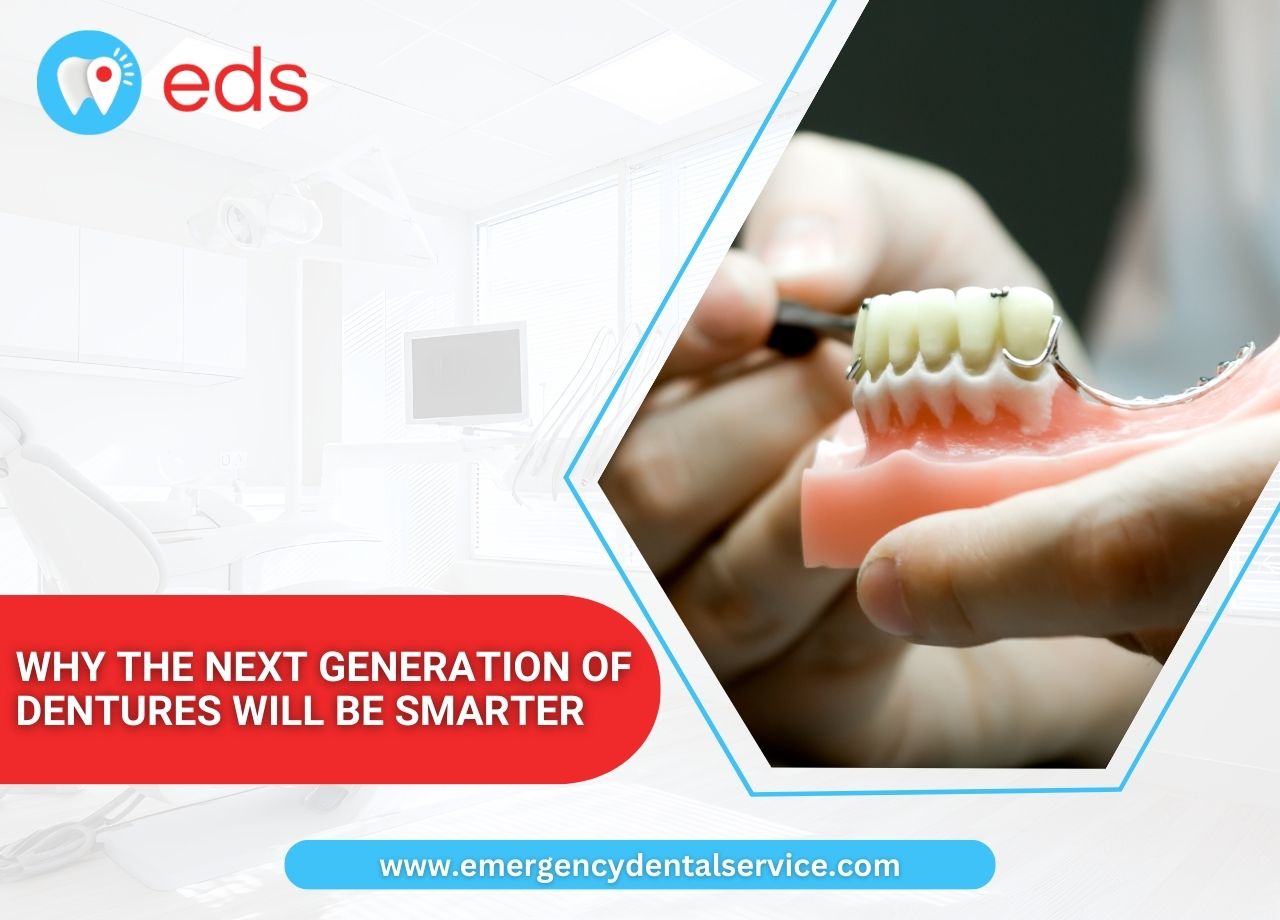
Dentures have always been seen as a solution for missing teeth. Now, dental tech pushes beyond old ideas. These aren’t mere stand-ins anymore. Think of them as smart helpers inside your mouth. Bone stays stronger because of how they work. Comfort gets better over time, shaped by daily use. Life changes - these change too.
Tomorrow's dentures and implants doesn't just fit - it teams up with your body. What looks like replacement teeth might soon act more like helpers for natural function. Instead of waiting for trouble, these tools nudge things back into balance. Fixing flaws fades into the background while working with living tissue takes center stage. This shift? It turns passive devices into active partners.
From Static Devices to Smart Oral Systems
Traditional dentures were passive by nature. They depended on suction, gum pressure, and muscle control. Once placed, they didn’t respond to changes in bone, tissue, or bite forces. Over time, this often led to looseness, soreness, and reduced function.
The next generation of dental dentures and implants is different. Digital scanning, 3D design, and biomechanical planning now allow dentures to be created based on how your jaw actually moves and how pressure travels through your mouth.
This means dentures are no longer “one-size-fits-all.” They are engineered systems designed to match your anatomy and chewing pattern.
That is what makes them smarter.
Smarter Dentures Begin with Smarter Implants
Modern implant dentistry is the foundation of this evolution. Affordable dental implants are becoming more accessible as technology has made them more predictable and efficient.
- Implants today are:
- Designed to integrate faster with bone
- Placed using digital precision
- Engineered for long-term stability
This allows full denture implants to behave more like natural teeth than anything we’ve ever had before. They transmit chewing forces into the jawbone, preventing bone shrinkage and maintaining facial structure.
From a medical perspective, this makes dentures biologically intelligent.
Smart Dentures Will Adapt to the Mouth, Not Fight It
The future of dentures and dental care lies in adaptability. Bone changes over time. Gums change with age. Bite forces shift.
- Upcoming denture systems will be designed to:
- Distribute pressure more evenly
- Reduce inflammation
- Protect sensitive tissues
- Extend lifespan without frequent replacement
This transforms dentures into responsive medical devices rather than static appliances.
Affordable Dentures Cost Will Be Measured Differently
Right now, many people evaluate dentures by initial price. But smarter dentures change how we define affordability.
Affordable dentures cost in the future will be measured by:
- Longevity
- Fewer complications
- Reduced need for replacements
- Better oral health stability
A denture that lasts 15 years and protects bone health is more affordable than one that needs replacement every 4 years, even if it costs more upfront.
True affordability is biological efficiency.
Dentures for Missing Teeth Will Become Preventive Care
Today, dentures are often seen as reactive treatment. You lose teeth, then replace them. In the future, dentures for missing teeth will be part of preventive healthcare.
They will be designed to:
- Prevent jawbone collapse
- Preserve facial shape
- Support digestion
- Protect oral tissues
Dentures will not just restore function. They will protect long-term health.
Emergency Dentures Will Become Smarter Too
In emergencies, dentistry is shifting toward immediate stabilization and biological preservation. Emergency dentures will increasingly serve as medical stabilizers, protecting soft tissue and bone while long-term solutions are planned.
They won’t just replace lost teeth quickly. They will preserve future implant potential.
That’s intelligence at the clinical level.
Full Denture Implants: The Smartest Form of Dentures
Among all options, full denture implants represent the smartest version of denture technology today. They restore:
- Bone stimulation
- Facial symmetry
- Natural chewing mechanics
- Long-term stability
This is why they are often described as “the closest thing to real teeth science can offer.”
They are not just prosthetics. They are bio-integrated systems.
Dentures Dental Services Are Becoming Medical Engineering
Modern dentures dental services now combine:
- Digital imaging
- Surgical planning
- Biomechanical analysis
- Long-term health forecasting
Dentists are no longer only fabricating dentures. They are designing medical systems for the mouth.
This is exactly how medical wearables evolve.
Final Thought
The next generation of dentures will be smarter because they are becoming biological tools, not plastic replacements. They will preserve bone, stabilize tissue, support digestion, and integrate with the body’s natural mechanics.
Through advanced dentures and implants, smarter affordable dentures cost structures, improved emergency dentures, and medically engineered full denture implants, dentistry is stepping into a future where dentures don’t just restore smiles.
The Article "Why the Next Generation of Dentures Will Be Smarter” was originally posted Here.

%20900-0633%20-%202025-03-12T130429.775.png)

Comments
Post a Comment